Pages For Macos 10.13
Say hello to macOS 10.13 High Sierra, the new operating system for Mac desktops and notebooks that brings some impressive under-the-hood refinements. If you were expecting some big overhauls, chances are you’ll be disappointed at a first view. But look closer and you’ll discover the fine details that amount to a better user experience and more power for your Mac.
- Apple has released macOS 10.13.5 to the public. The new update for Mac is available now for download over the air (OTA). Here’s everything new in macOS 10.13.5. Apple seeds fourth betas of iOS 11.4, macOS 10.13.5, watchOS 4.3.1 and tvOS 11.4. By Cody Lee on May 7, 2018 — no comment yet.
- Pages is a powerful word processor that lets you create stunning documents, and comes included with most Apple devices. And with real-time collaboration, your team can work together from anywhere, whether they’re on Mac, iPad, iPhone, or using a PC.
Upgrading to macOS High Sierra is seamlessly simple, taking up little time and almost no effort. And with the upgrade guide we’ve prepared, you’re going to be running the new OS in no time.
Why you should upgrade to macOS High Sierra
The final release of macOS 10.13 High Sierra is now available to download as of September 25, 2017. Leading into this, some Apple fanatics opted to install macOS 10.13 High Sierra early via. MacOS High Sierra (version 10.13), first released on September 25, 2017, is the fourteenth major release of OS X, renamed macOS, Apple's desktop and server operating system for Macintosh computers. It is the successor to macOS Sierra and the predecceesor of macOS Mojave. Following the California landmark-based naming scheme introduced with Mac OS X Mavericks, High Sierra was named after the. MacOS 10.13 High Sierra - End of Life Support Ending January 31, 2021 Updated 11/18/20. On November 12, 2020, Apple released macOS 11, Big Sur. In keeping with Apple's release cycle, we anticipate macOS 10.13 High Sierra will no longer receive security updates starting in January 2021.
The team at Apple went right on target, tweaking those features and apps that promise to be in the spotlight in the near future. With a new and improved AFPS file system, a faster browser (which promises to be the fastest on the market), stellar graphics, better gaming capabilities, and VR support, macOS 10.13 is definitely here to make a stand.
To really give your Mac a boost, upgrading to the new High Sierra is kind of mandatory. Think only about how much space you’ll save with the new operating system that compresses video up to 40% more. macOS High Sierra also comes with an improved Photos app, that now offers professional editing tools that will keep you hooked to find the perfect composition. Of course, the most important upgrade comes from Metal 2, which promises stellar GPU and CPU capabilities while opening the world toward VR and AR.
So, to conclude: upgrade to macOS High Sierra for more space, speed, and power. We should have started with that, right?
How to prepare for the macOS High Sierra upgrade
Now that you’ve decided that you cannot live without the new macOS 10.13 High Sierra, it’s time to thoroughly prepare for the upgrade. Do note that the beta version now available may not contain all the features, so if you want to upgrade for a specific feature, make sure it’s included. Let’s go!

In order to prepare to upgrade to High Sierra you should, of course, verify if your Mac is compatible with the new system. As a general rule, any late 2009 Mac or newer will theoretically be able to run it without any issues.
Next, you should do a thorough Mac cleanup to have it running smoothly even before upgrading. A complete cleaning process includes deleting duplicate documents, photos, and files, while also removing temporary files and cache data that built up in the background. You can do this manually (if you have the patience) or you can turn to an app such as CleanMyMac X to have it do all the dirty work for you.
Having a healthy Mac is key to making the most and enjoying the best of macOS High Sierra. Thus, it’s mandatory to check if your Mac has any issues before performing the upgrade. How?
- Open Disk Utility
- Select your startup drive
- Click on the First Aid tab
If you’re lucky, your Mac won’t have any problems. But if you live in the real world, you’ll have to perform some repairs by using the Repair Disk. Restart and hold Command+R to perform the repairs with Disk Utility.
The final preparation step regards the free space necessary for macOS High Sierra. The official sources from apple.com recommend having 8GB of free space before upgrading to the new system, but we feel more comfortable with reserving about 15GB. What can we say, we like our space. If you don’t have enough space, that means you Mac still needs a bit of cleaning.
How to backup Mac before the upgrade
Backing up your Mac before a major upgrade is a necessity, especially if you’re going for a beta version. You don’t want to risk losing any precious info, so there’s no excuse for skipping this step.
You can easily backup your Mac by turning to Apple’s own software, Time Machine, that saves a copy of everything on your Mac on hourly, daily, monthly, and weekly backups. What’s more, except the automatic backups, you can also customize the process and have your most precious docs and files backed up manually from System Preferences.
Pages Per Macos 10.13
In order to use Time Machine, you also need an external storage device. How big? The bigger the better. Choose your favorite from USB, SDD, NAS drive, or Thunderbolt hard drive.
Step by step upgrade to macOS High Sierra
Once you’ve prepared your Mac for the upgrade, it’s time to get the process started. Read on to find a comprehensive guide to a fast and safe upgrade.
- Choose a safe and trusted network for the upgrade
All major upgrades should be done from a trusted network, adding speed and safety to your download and installation. The best place to perform the upgrade is from the comfort of your home network and you should avoid WIFI connections and especially hotels, restaurants, or public networks. - Log into iCloud
This step is pretty straightforward, yet necessary for the upgrade process, as many Mac apps have iCloud integrated parts. So, to have everything run smoothly, log into your account, and proceed. - Update to the latest version of your current OS
To avoid any problems in the upgrade process, having the latest updated version for your current OS is mandatory. Why? Because your OS is going to be as stable as possible, with all the initial issues fixed and all bugs eliminated.
Make sure you’re running the latest updated version by checking the Updates folder in the App store.
It’s also important to have all 3rd party apps updated to their latest version as well. Check the apps purchased through the App Store by using the same method as above. For the other apps you’ve externally brought in you’ll need to perform a manual update. - Download macOS High Sierra
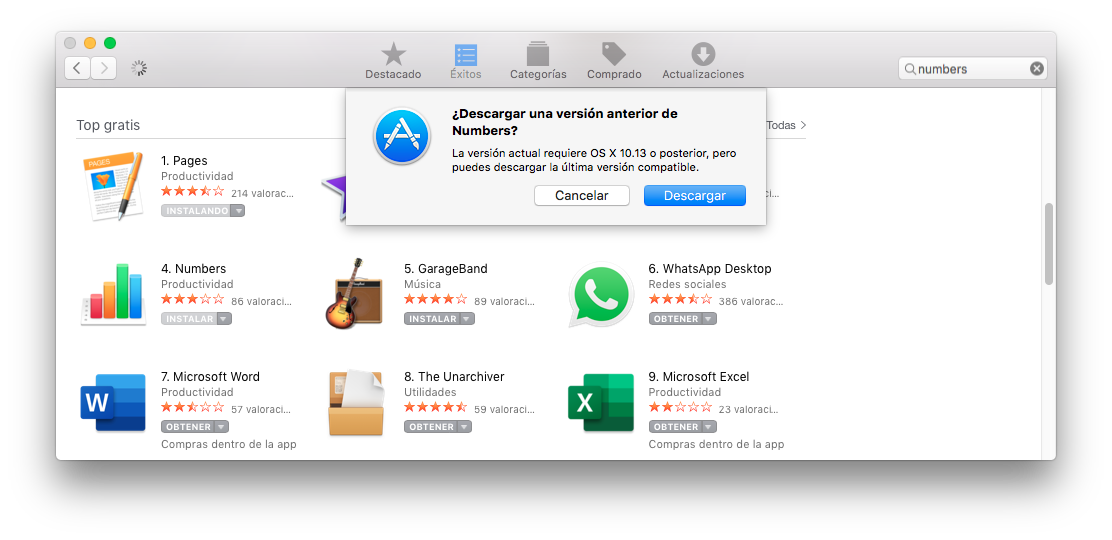
Right now, macOS High Sierra is already available for all users. You can download it in the standard fashion on the Mac App Store.
Here's the direct link. - Upgrade to macOS High Sierra
Open the installer from Applications (if it doesn’t open automatically) and hit continue. The on-screen instructions are going to make it really easy for you, so follow them religiously and you won’t be able to do any wrong. That’s it!
Next, make sure to set up for automatic updates from your System Preferences and the App Store, in order to always have your Mac performing at its best.
So there you have it! We hope you enjoy the upgraded features and your Mac’s new regained speed and, hopefully, extra space.
These might also interest you:
To get the latest features and maintain the security, stability, compatibility, and performance of your Mac, it's important to keep your software up to date. Apple recommends that you always use the latest macOS that is compatible with your Mac.
Learn how to upgrade to macOS Big Sur, the latest version of macOS.
Check compatibility
If a macOS installer can't be used on your Mac, the installer will let you know. For example, it might say that your Mac doesn't have enough free storage space for the installation, or that the installer is too old to be opened on this version of macOS.
If you want to check compatibility before downloading the installer, learn about the minimum requirements for macOS Catalina, Mojave, High Sierra, Sierra, El Capitan, or Yosemite. You can also check compatible operating systems on the product-ID page for MacBook Pro, MacBook Air, MacBook, iMac, Mac mini, or Mac Pro.
Make a backup
Before installing, it’s a good idea to back up your Mac. Time Machine makes it simple, and other backup methods are also available. Learn how to back up your Mac.
Download macOS
It takes time to download and install macOS, so make sure that you're plugged into AC power and have a reliable internet connection.
These installers from the App Store open automatically after you download them:
- macOS Catalina 10.15 can upgrade Mojave, High Sierra, Sierra, El Capitan, Yosemite, Mavericks
- macOS Mojave 10.14 can upgrade High Sierra, Sierra, El Capitan, Yosemite, Mavericks, Mountain Lion
- macOS High Sierra 10.13 can upgrade Sierra, El Capitan, Yosemite, Mavericks, Mountain Lion, Lion
Your web browser downloads the following older installers as a disk image named InstallOS.dmg or InstallMacOSX.dmg. Open the disk image, then open the .pkg installer inside the disk image. It installs an app named Install [Version Name]. Open that app from your Applications folder to begin installing the operating system.
- macOS Sierra 10.12 can upgrade El Capitan, Yosemite, Mavericks, Mountain Lion, or Lion
- OS X El Capitan 10.11 can upgrade Yosemite, Mavericks, Mountain Lion, Lion, or Snow Leopard
- OS X Yosemite 10.10can upgrade Mavericks, Mountain Lion, Lion, or Snow Leopard
Install macOS
Follow the onscreen instructions in the installer. It might be easiest to begin installation in the evening so that it can complete overnight, if needed.
Pages Macbook 10.13
If the installer asks for permission to install a helper tool, enter the administrator name and password that you use to log in to your Mac, then click Add Helper.
Please allow installation to complete without putting your Mac to sleep or closing its lid. Your Mac might restart, show a progress bar, or show a blank screen several times as it installs both macOS and related updates to your Mac firmware.
Learn more
Macos Update 10.13
You might also be able to use macOS Recovery to reinstall the macOS you're using now, upgrade to the latest compatible macOS, or install the macOS that came with your Mac.